Hemorrhagic Fever with Renal Syndrome (HFRS)

What is HFRS?
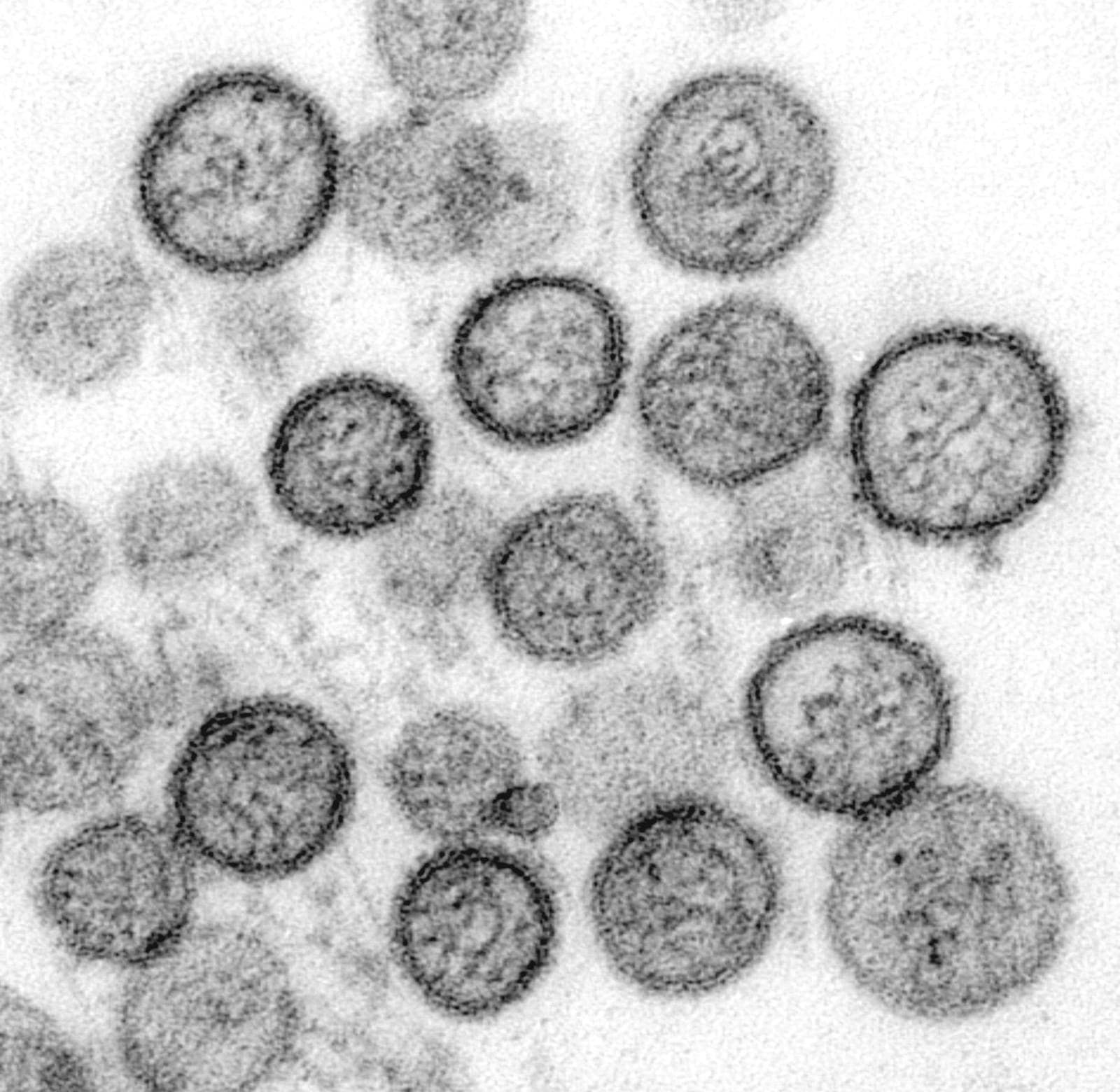
Hemorrhagic fever with renal syndrome is caused mainly by four Old World hantaviruses. Hantaan virus is the most common cause of severe HFRS in East Asia. Seoul virus, carried by brown rats, is found nearly worldwide and accounts for roughly a quarter of HFRS cases globally, generally causing milder illness. Puumala virus dominates in northern Europe and typically causes a mild form of the disease known as nephropathia epidemica. Dobrava-Belgrade virus severity depends on its genotype.
The five clinical phases
HFRS progresses through five recognized phases: febrile, hypotensive, oliguric, diuretic, and recovery. Symptoms usually begin 12 to 16 days after exposure, starting with headache, lower back pain, nausea, vomiting, and diarrhea.
The hypotensive phase brings a sudden drop in blood pressure lasting one to three days. The disease's hallmark is acute kidney involvement — kidney swelling, protein in the urine, and blood in the urine. Full recovery can take two to six months, and some patients experience lasting kidney effects.
How common and how deadly
More than 100,000 HFRS cases are estimated to occur worldwide each year. China accounts for roughly 70% to 90% of reported cases, concentrated in its eastern regions. Finland carries the highest burden in Europe, with more than 10,000 mild nephropathia epidemica cases annually.
Case fatality varies sharply by virus: under 1% for Seoul virus, roughly 0.1% to 0.4% for Puumala virus, and 10% to 15% for severe Dobrava-Belgrade genotypes. China's overall reported case fatality rate is around 2.89%.
History
An outbreak among United Nations troops stationed near Korea's Hantan River during the Korean War in the early 1950s brought the disease to international attention. The responsible virus was isolated in 1978 by Ho Wang Lee and named Hantaan virus. The World Health Organization formally adopted the name "hemorrhagic fever with renal syndrome" in 1982.
Diagnosis and treatment
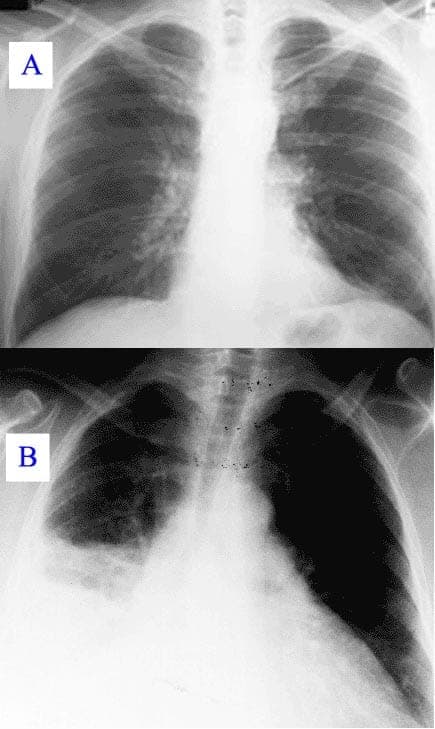
Diagnosis relies on clinical presentation and exposure history, confirmed through lab detection of viral nucleic acid, viral proteins, or hantavirus antibodies, with thrombocytopenia, elevated creatinine, and proteinuria as supporting findings.
No antiviral drug is proven broadly effective. Treatment is supportive: intravenous fluids, electrolyte management, platelet transfusions, and hemodialysis if acute kidney injury develops.
Sources & licensing
- Wikipedia — Hemorrhagic Fever with Renal Syndrome — CC BY-SA 4.0
Last reviewed August 7, 2026. Content on this page is adapted, not copied verbatim, from the sources above. See /sources for full licensing details.