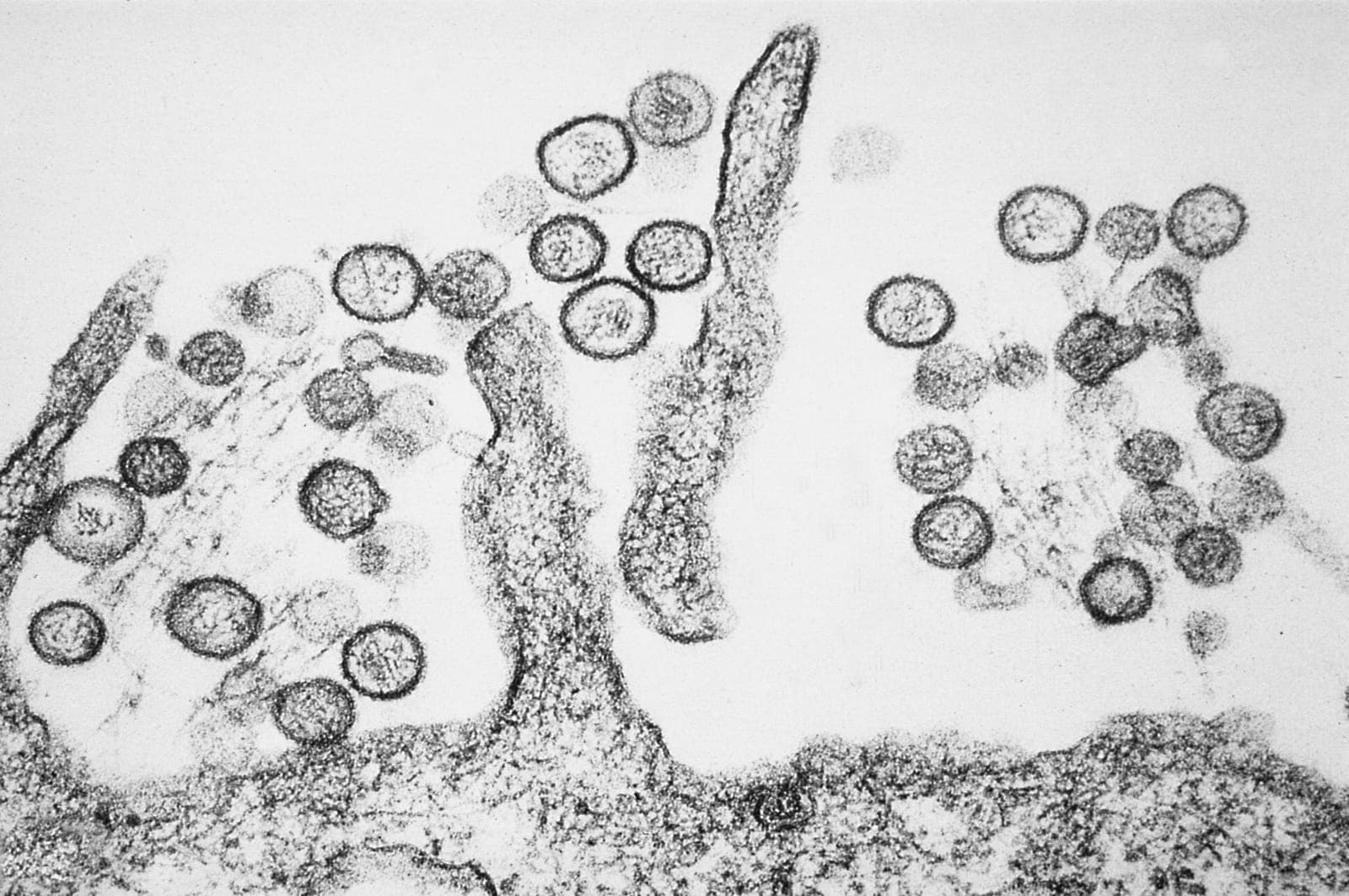
How Hantavirus Spreads
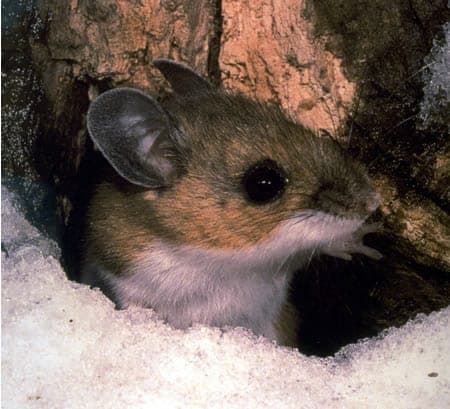
Airborne exposure is the main route
Most human hantavirus infections happen through inhalation — breathing in tiny airborne particles or droplets released from dried rodent urine, droppings, or nesting material, especially when those materials get disturbed and stirred into the air.
The virus can remain infectious in the environment for roughly 10 to 18 days depending on conditions, which means disturbing an old nest or a dusty storage area can still pose a risk long after the rodents themselves are gone.
Direct contact and other routes
Infection can also occur through direct contact, such as touching contaminated surfaces or food and then touching the face, or through a rodent bite or scratch. Fecal-oral transmission and, rarely, transmission from a pregnant person to a fetus have also been documented.
Person-to-person transmission is rare
Almost all hantaviruses do not spread from person to person. The one well-documented exception is Andes virus, found in South America, which can spread between close contacts through saliva and airborne droplets. No other hantavirus is currently known to transmit this way.
Who faces higher exposure risk
Risk rises for anyone who spends time in spaces where rodents live or have lived: hikers and campers, farmers and forestry workers, military personnel in the field, people cleaning out cabins, sheds, barns, or storage buildings after they've sat unused, and workers in mining or field zoology roles.
Sources & licensing
- Wikipedia — Hantavirus — CC BY-SA 4.0
- MedlinePlus (U.S. National Library of Medicine) — Hantavirus Infections — Public domain (U.S. government work)
Last reviewed August 7, 2026. Content on this page is adapted, not copied verbatim, from the sources above. See /sources for full licensing details.